




Industrial packaging is more than a way to store and transport products. For businesses handling chemicals, pharmaceutical ingredients, agrochemicals, lubricants and other industrial materials, packaging directly influences product integrity, workplace safety, storage efficiency and transportation reliability.
This makes the selection of the right industrial container an important procurement decision. High-Density Polyethylene (HDPE) drums have become a widely used packaging solution because of their durability, relatively low weight, moisture resistance and versatility across different industrial applications.
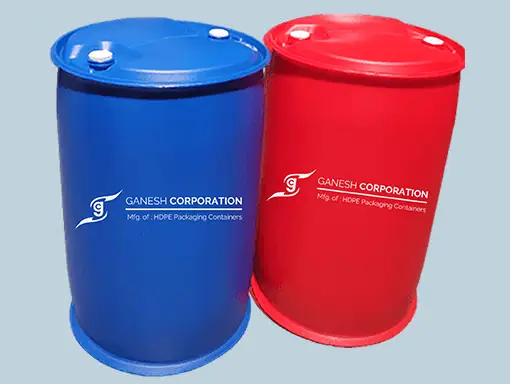
Bharuch, one of Gujarat’s important chemical and manufacturing centres, has a particularly relevant industrial ecosystem for businesses seeking reliable packaging solutions. Companies operating in and around Dahej, Ankleshwar, Panoli and Jhagadia require packaging that meets their product-handling and supply-chain requirements.
If you are searching for an HDPE Drums Manufacturer in Bharuch, understanding the material, manufacturing process, quality requirements and selection criteria can help you make a more informed purchasing decision.
This guide explains what industrial buyers should know before choosing an HDPE drum manufacturer and how to evaluate the right packaging solution for their operations.
Need HDPE drums for your plant in Bharuch, Dahej or Ankleshwar?
Ganesh Corporation is an HDPE drums manufacturer in Bharuch district, producing drums, carboys and plastic barrels at GIDC Ankleshwar. Request a quotation or call +91 95129 27779.
Table of Contents
- Why HDPE Drums Are Important for Industrial Packaging
- Why Bharuch Is an Important Market for HDPE Industrial Drums
- Understanding the HDPE Drum Manufacturing Process
- Applications of HDPE Drums Across Different Industries
- How to Choose the Right HDPE Drum Manufacturer in Bharuch
- HDPE Drum Quality Standards, Safety and Compliance
- What Determines the Price of HDPE Drums?
- Common Mistakes to Avoid When Purchasing HDPE Drums
- Frequently Asked Questions About HDPE Drums
- Conclusion
Why HDPE Drums Are Important for Industrial Packaging
HDPE, or High-Density Polyethylene, is a thermoplastic polymer used in several industrial packaging applications. Its combination of strength, chemical resistance and relatively low weight makes it suitable for manufacturing containers used to store and transport a variety of materials.
Unlike packaging solutions that may be more vulnerable to corrosion or moisture-related deterioration, properly designed HDPE drums can offer practical advantages in demanding industrial environments.
Some of the key advantages include:
1. Chemical resistance
HDPE offers resistance to many commonly used industrial chemicals, making it suitable for a range of chemical storage and transportation applications.
However, chemical compatibility should never be assumed. The suitability of an HDPE drum depends on the specific chemical, its concentration, temperature, exposure duration and packaging design.
2. Durability and impact resistance
Industrial containers frequently experience handling, stacking, loading and transportation stresses.
HDPE drums can be designed to withstand routine handling conditions while helping reduce the risk of packaging damage. Their actual performance depends on wall thickness, design, resin quality and manufacturing consistency.
3. Lightweight construction
Compared with certain metal packaging alternatives, HDPE drums can be relatively lightweight.
This can help businesses manage empty-container handling, loading operations and transportation logistics. However, the overall cost advantage should be evaluated against the drum’s capacity, weight, strength and intended application.
4. Moisture resistance
HDPE has low water absorption and provides a useful barrier against external moisture.
This characteristic can be important when packaging materials that need protection from humid storage conditions.
5. Versatile industrial applications
HDPE drums are available in different capacities, designs and closure configurations, allowing businesses to select containers according to their storage, handling and transportation requirements.
Why Bharuch Is an Important Market for HDPE Industrial Drums
Bharuch has developed into an important industrial centre in Gujarat, particularly for chemical, petrochemical and related manufacturing activities.
Industrial locations such as Dahej, Ankleshwar, Panoli and Jhagadia support businesses involved in chemicals, pharmaceuticals, specialty chemicals, fertilizers and other manufacturing sectors.
For these industries, packaging is closely connected to operational efficiency and product safety.
A chemical manufacturer may require containers compatible with a specific formulation, while a pharmaceutical ingredient producer may prioritise material specifications, cleanliness and traceability. An agrochemical company may need packaging designed for safe storage and transportation under its applicable regulatory requirements.
Having access to an HDPE drums manufacturer in Bharuch can be advantageous for businesses operating in this industrial belt because it may support:
- More convenient coordination with packaging suppliers.
- Reduced lead times, depending on production capacity and logistics.
- Easier communication regarding customised packaging requirements.
- Better coordination for repeat and bulk orders.
- Greater flexibility in managing industrial procurement.
However, geographical proximity alone should not determine supplier selection. Manufacturing capability, quality consistency, product suitability and documented compliance remain equally important.
Understanding the HDPE Drum Manufacturing Process
The quality of an industrial drum is influenced by every stage of its manufacturing process, from raw material selection to final inspection.
Understanding these stages helps procurement teams assess whether a manufacturer has the technical capability to supply packaging that meets their requirements.
1. Raw material selection
The manufacturing process begins with selecting suitable HDPE resin.
Important considerations include material grade, density, melt flow characteristics and suitability for the intended application.
Manufacturers should be able to provide relevant material specifications and supporting documentation when required.
2. Blow moulding
Extrusion blow moulding is a commonly used process for manufacturing hollow plastic containers.
In this process, heated plastic is formed into a hollow tube, known as a parison. The parison is placed inside a mould, where compressed air expands it against the mould walls.
Once the material cools and solidifies, the mould opens and the formed drum is removed.
The process enables manufacturers to produce hollow containers with different shapes, capacities and structural designs.
3. Trimming and finishing
After moulding, excess plastic material may be removed, and the drum undergoes finishing operations.
The opening, neck, closure area and other structural features are checked to ensure that the container meets the intended design requirements.
4. Quality inspection
Quality inspection is essential before drums are approved for dispatch.
Depending on the product specification and application, manufacturers may evaluate:
- Drum weight and dimensional accuracy.
- Wall thickness and its distribution.
- Visual appearance and surface defects.
- Closure and sealing performance.
- Leakage resistance.
- Stacking and handling performance.
- Relevant mechanical and performance characteristics.
The specific tests should be selected according to the intended use and applicable standards rather than assuming that every drum requires the same testing procedure.
5. Packing and dispatch
Once approved, the drums are prepared for dispatch.
Proper handling and storage during this stage help prevent deformation, contamination and unnecessary damage before the containers reach the customer.

See how we test our HDPE containers →
Applications of HDPE Drums Across Different Industries
The suitability of an HDPE drum depends on the material being packaged and the conditions under which it will be stored or transported.
Some of the major applications include:
Chemical and specialty chemical industries
Chemical manufacturers use industrial drums for packaging selected liquid and semi-liquid formulations, intermediates and other chemical products.
The chemical compatibility of the drum, closure and any internal components must be evaluated before use.
Pharmaceutical industry
Pharmaceutical manufacturers and ingredient suppliers may use HDPE containers for selected raw materials, intermediates and other compatible products.
For these applications, buyers should consider cleanliness, material suitability, traceability and any applicable product-specific packaging requirements.
Agrochemical industry
Agrochemical manufacturers handle formulations such as pesticides, herbicides and other agricultural chemical products.
Packaging selection must account for the formulation’s chemical properties, leakage prevention, closure security and relevant transportation requirements.
Lubricants and industrial oils
Certain industrial lubricants, oils and compatible formulations can be packaged in HDPE containers.
The suitability of the drum should be assessed against the product composition, storage temperature and expected duration of contact.
Food and allied industries
HDPE containers may also be used in selected food-related applications, provided that the material, manufacturing conditions and finished packaging comply with the applicable food-contact requirements.
Industrial-grade HDPE should not automatically be considered food-grade packaging.
Not sure which drum suits your product?
Share your chemical name, concentration and storage conditions with our team and we will help you shortlist the right drum. Talk to our packaging team
How to Choose the Right HDPE Drum Manufacturer in Bharuch
Selecting an industrial packaging supplier should involve more than comparing quotations.
A drum that appears economical at the time of purchase may create additional costs if it does not meet the required performance specifications or causes product-handling issues.
Here are six important factors procurement teams should evaluate.
1. Manufacturing capability and production capacity
Evaluate whether the manufacturer has suitable production infrastructure and can consistently meet your volume requirements.
Ask about manufacturing processes, available drum designs, production capacity and delivery commitments.
For recurring orders, consistency between batches is particularly important.
2. Raw material quality
Ask the manufacturer about the HDPE resin used in production and whether relevant technical specifications can be provided.
Material selection should be based on the application rather than price alone.
3. Chemical compatibility
This is particularly important for businesses operating in Bharuch’s chemical and pharmaceutical manufacturing sectors.
Share the chemical name, concentration, temperature and storage conditions with the packaging supplier.
Request a documented compatibility assessment where appropriate. Never rely only on a general statement that HDPE is chemically resistant.
4. Quality control and testing
A reliable manufacturer should have a defined quality inspection process.
Depending on the intended application, ask about leakage testing, dimensional checks, wall-thickness inspection, closure testing and other relevant performance evaluations.
If the drums are intended for dangerous goods transportation, verify the applicable UN packaging requirements and the specific design-type approval and marking.
5. Customisation options
Different industrial applications may require different drum specifications.
Depending on manufacturing capability, buyers may need customised:
- Drum capacities and dimensions.
- Open-head or closed-head designs.
- Neck and closure configurations.
- Colours and identification markings.
- Labels and printing.
- Structural features suitable for handling and storage.
Customisation should not compromise the required performance of the container.
6. Delivery reliability and after-sales support
For industrial businesses, packaging shortages can disrupt production and dispatch schedules.
Evaluate the manufacturer’s ability to manage repeat orders, communicate lead times, handle quality-related concerns and coordinate deliveries.
A dependable long-term supplier should understand your operational requirements, not simply fulfil individual purchase orders.
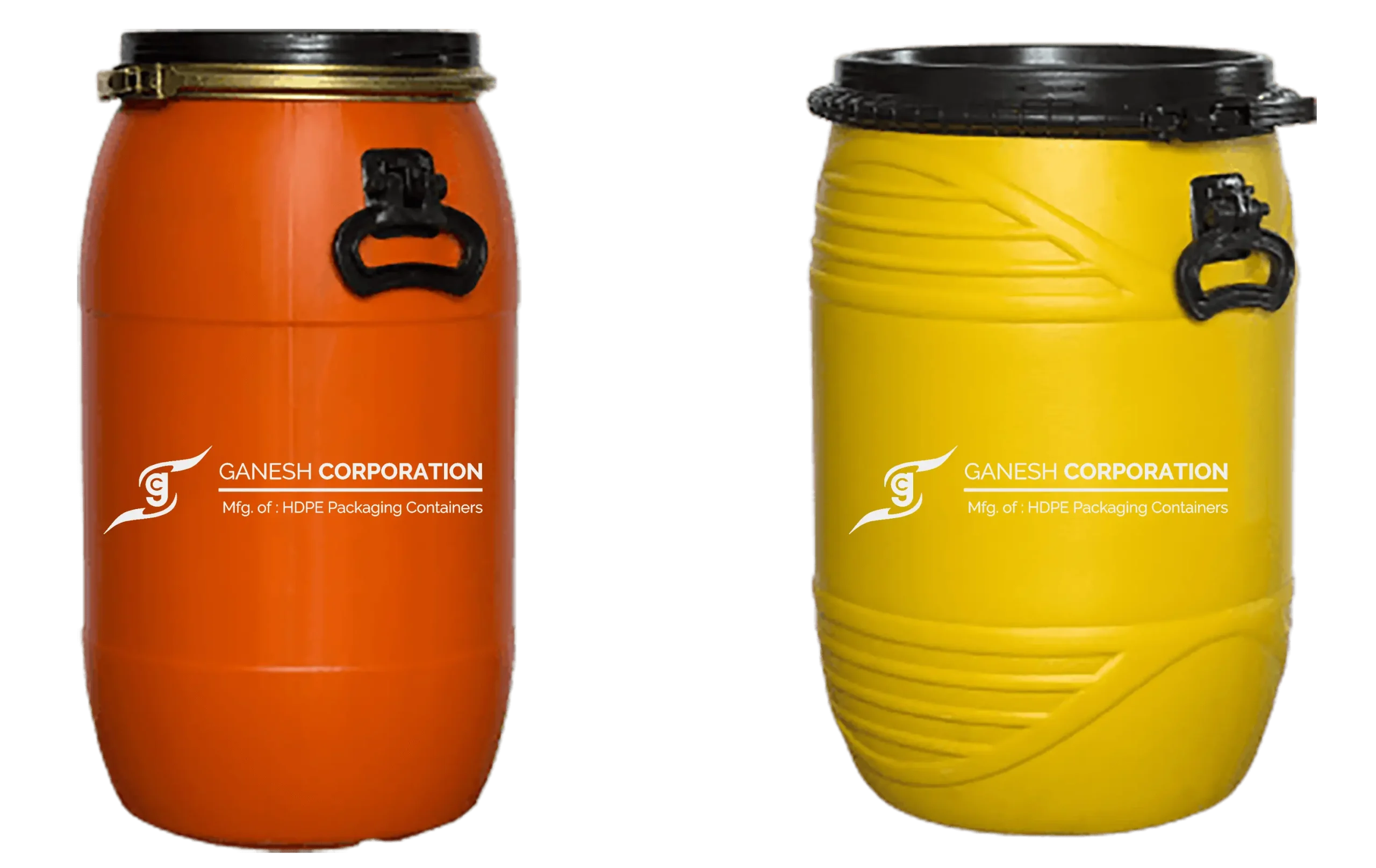
Explore our open top HDPE drums → | View narrow mouth drums →
HDPE Drum Quality Standards, Safety and Compliance
Industrial buyers should understand that not every HDPE drum is suitable for every application.
The relevant quality and regulatory requirements depend on what the drum will contain, where it will be used and how the packaged product will be transported.
For example, the United Nations Recommendations on the Transport of Dangerous Goods establish performance-based requirements for packaging used to transport applicable dangerous goods.
These requirements address packaging design and testing, including drop, leakproofness, hydraulic pressure and stacking tests, as applicable to the packaging type and substance.
A UN marking should therefore not be treated as a general quality certificate. Buyers must verify that the approved packaging design, performance level and marking are appropriate for the specific dangerous goods and intended transport conditions.
Other important considerations include:
- Material suitability: The resin and finished container must be appropriate for the packaged substance.
- Closure integrity: The cap, gasket and closure system should be suitable for the product and handling conditions.
- Mechanical performance: The container should meet relevant handling, stacking and transportation requirements.
- Documentation: Request applicable test reports, technical specifications and approvals.
- Food-contact compliance: Where relevant, verify the applicable FSSAI requirements and corresponding Indian Standards.
For dangerous goods packaging, consult the applicable UN Model Regulations and relevant transport regulations rather than relying on generic manufacturer claims.
What Determines the Price of HDPE Drums?
The price of an industrial HDPE drum is not determined by capacity alone.
Two drums with the same nominal capacity can have different prices because of variations in material consumption, design, closure systems and performance requirements.
The following factors commonly influence pricing:
- Drum capacity: Larger containers generally require more raw material, although the actual price also depends on design and specifications.
- Drum weight: Material consumption is an important cost factor. Buyers should compare weight alongside performance requirements.
- Raw material grade: Resin specifications and material requirements can influence the manufacturing cost.
- Drum design: Open-head, closed-head and specialised designs may have different production requirements.
- Closure and accessories: Caps, gaskets, sealing arrangements and other components can affect the overall price.
- Testing and certification: Additional performance testing, documentation and applicable approvals may influence the final quotation.
- Order quantity: Bulk orders and recurring procurement arrangements may offer different commercial terms.
- Transportation: Delivery location, order size and logistics arrangements can affect the landed cost.
For an accurate quotation, buyers should share the required capacity, drum design, product compatibility requirements, order quantity and delivery location.
Get an accurate HDPE drum quotation
Working with an HDPE drums manufacturer in Bharuch makes it easier to discuss samples, specifications and repeat orders.
Send us your capacity, drum design, product type, quantity and delivery location. Request a quote or email contact@ganeshcorporation.in.
Common Mistakes to Avoid When Purchasing HDPE Drums
Even experienced procurement teams can overlook important packaging specifications when purchasing in bulk.
Some common mistakes include:
- Selecting a drum based only on its quoted price.
- Assuming every HDPE grade is suitable for every chemical.
- Comparing drums by capacity without checking their weight and design.
- Ignoring closure and gasket compatibility.
- Assuming that all industrial HDPE drums are UN-certified.
- Not checking batch consistency and quality documentation.
- Overlooking transportation, storage and stacking requirements.
A clear technical specification before procurement can help reduce these risks and make supplier comparisons more meaningful.
Why Businesses Should Evaluate Local Manufacturing Partners Carefully
Working with a manufacturer located near an industrial cluster can provide practical procurement advantages, particularly when businesses require recurring supplies or customised packaging.
However, the best supplier is not necessarily the closest one.
A structured supplier evaluation should consider manufacturing capability, material quality, testing practices, documentation, delivery reliability and commercial terms.
For companies operating across Bharuch, Ankleshwar and Dahej, these factors can help establish a dependable packaging supply chain.
Frequently Asked Questions About HDPE Drums
1. What are HDPE drums used for?
HDPE drums are used to store and transport compatible industrial materials, including selected chemicals, pharmaceutical ingredients, agrochemical formulations, lubricants and other liquid or semi-liquid products.
Their suitability depends on the material being packaged and the applicable handling and transportation requirements.
2. Are HDPE drums suitable for chemical storage?
Yes, HDPE drums can be suitable for storing many chemicals. However, compatibility varies with the chemical composition, concentration, temperature and contact duration. Always verify compatibility before selecting a container.
3. What is the difference between open-head and closed-head HDPE drums?
Open-head drums generally have a removable lid, making them suitable for applications requiring easier filling and emptying.
Closed-head drums have a fixed top with dedicated openings and closures, making them suitable for selected liquid packaging applications.
The appropriate design depends on the product and handling requirements.
4. Are all HDPE drums suitable for transporting hazardous chemicals?
No. Only packaging that meets the applicable regulatory and performance requirements for the specific dangerous goods and transport conditions should be used.
A manufacturer should provide relevant design-type approval and documentation where required.
5. How do I select the right HDPE drum capacity?
Consider the product volume, density, filling temperature, available storage space, handling equipment and transportation requirements.
Also account for the necessary headspace for liquid expansion and the applicable filling requirements.
6. What should I check before purchasing from an HDPE drum manufacturer in Bharuch?
Evaluate the manufacturer’s production capability, raw material specifications, quality inspection process, chemical compatibility support, relevant testing documentation, customisation options and delivery reliability.
7. What information is needed to obtain an HDPE drum quotation?
Typically, manufacturers require the desired capacity, drum design, product type, quantity, closure requirements, any special testing or certification requirements and delivery location.
Providing these details helps suppliers prepare a more accurate quotation.
Conclusion: Finding the Right HDPE Drum Manufacturing Partner
Choosing industrial packaging is a decision that directly affects product protection, operational efficiency and supply-chain reliability.
For companies operating in Gujarat’s chemical and manufacturing ecosystem, HDPE drums can offer a practical packaging solution when the container is correctly designed and matched to the intended application.
When evaluating an HDPE drums manufacturer in Bharuch, businesses should look beyond pricing and consider material quality, chemical compatibility, manufacturing consistency, testing, documentation and delivery performance.
A well-informed procurement decision can help reduce packaging-related risks and support long-term operational requirements.
Looking for an industrial HDPE drum solution?
Connect with a packaging manufacturer to discuss your application, required specifications, order quantity and delivery requirements. Request technical details and a quotation before finalising your procurement decision.
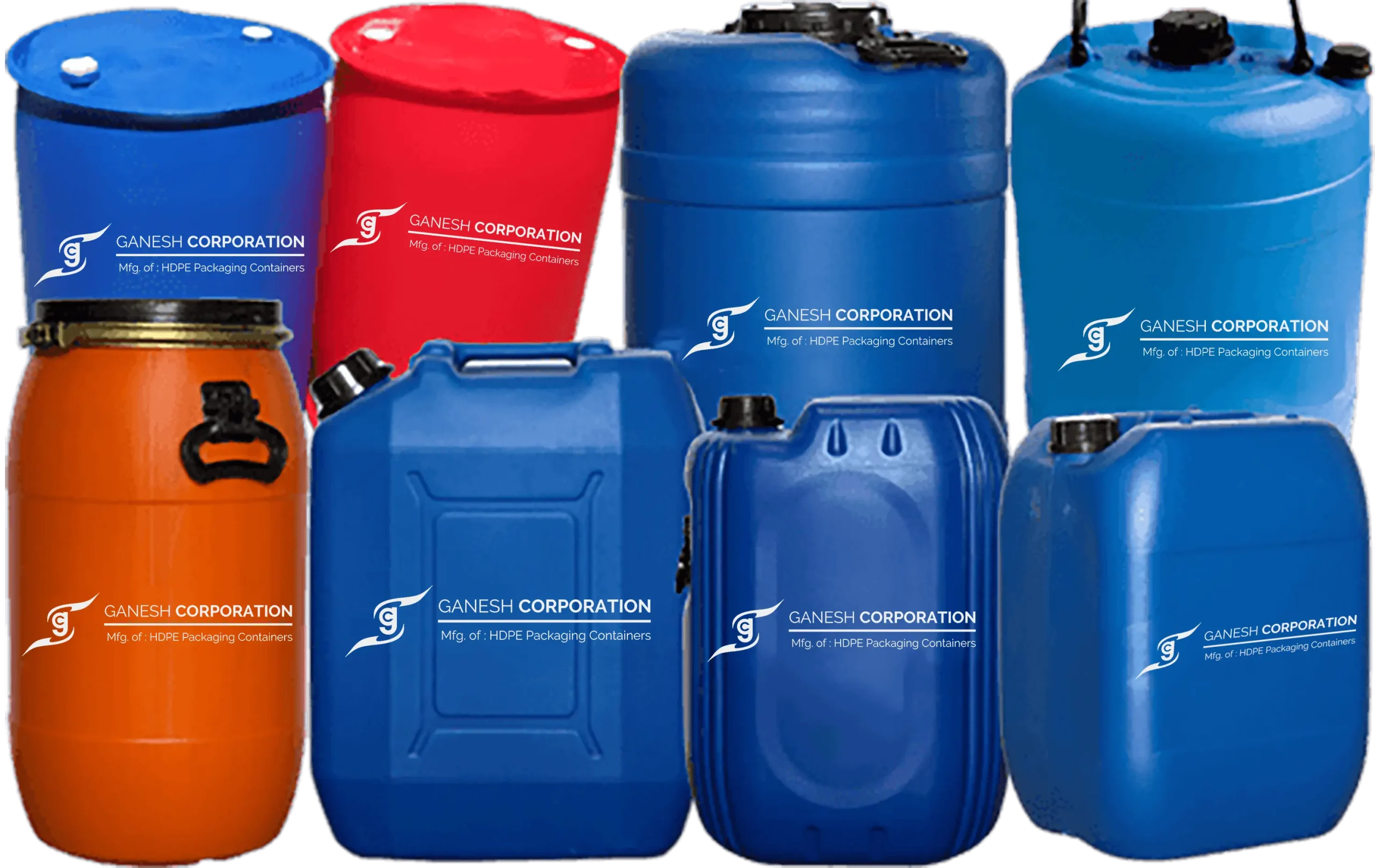
Ganesh Corporation – HDPE Drums, Carboys & Plastic Barrels | GIDC Ankleshwar, Bharuch
Call +91 95129 27779 | Email contact@ganeshcorporation.in | Send an Inquiry →
Related Reading
- HDPE Drums Manufacturer in Ankleshwar: A Complete Guide for Industrial Buyers
- Chemical Packaging Drums Ankleshwar: How to Choose the Right Industrial Packaging
- HDPE Carboys Supplier in Ankleshwar: A Complete Guide
- Heavy-Duty Plastic Barrels for Industrial Storage & Transportation